
Tucked into the cobbled streets of Zagreb’s Upper Town, the Museum of Broken Relationships is not your typical cultural institution. There are no ancient artifacts or grand paintings here. Instead, you’ll find a collection of everyday objects—each one a relic of love lost, heartbreak endured, and emotional resilience reclaimed.

Founded by two Zagreb-based artists, Olinka Vištica and Dražen Grubišić, after their own breakup, the museum began as a traveling exhibition before settling into its permanent home in the baroque Kulmer Palace. What started as a personal project quickly grew into a global phenomenon, earning the Kenneth Hudson Award for Europe’s most innovative museum in 2011.
Visitors wander through rooms filled with donated items from failed relationships: a single shoe, a wedding dress, a bottle of cologne, even a toaster. Each object is accompanied by a short story—sometimes poetic, sometimes painfully blunt. The emotional range is vast: grief, anger, nostalgia, humor. It’s a space where vulnerability is not only accepted but celebrated.
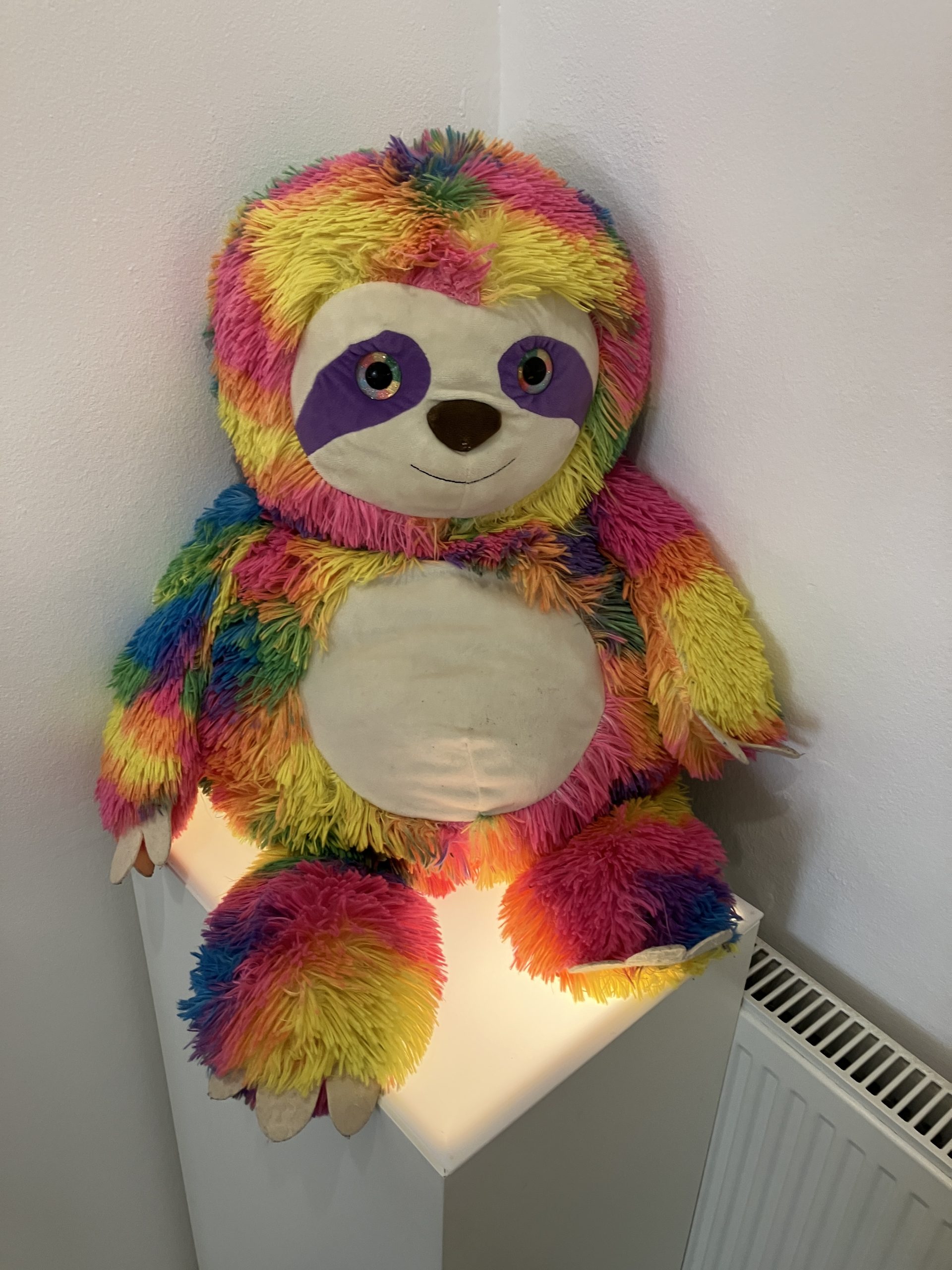
What makes the museum so compelling is its universality. Whether you’ve experienced heartbreak or not, the stories resonate. They offer glimpses into the private lives of strangers, reminding us that love—however fleeting—is deeply human. The museum doesn’t judge or sensationalize. It simply invites reflection.

Beyond the exhibits, the museum includes a cozy café and a thoughtfully curated gift shop. Visitors can even contribute their own breakup artifacts, adding to the ever-growing collection that spans cultures and continents. The museum has toured over 68 cities worldwide, including Tokyo, Berlin, and San Francisco, proving that the language of heartbreak is truly global.
Located just steps from Lotrščak Tower and the city’s famous funicular, the Museum of Broken Relationships is easy to reach and impossible to forget. It’s a must-visit for anyone seeking a deeper, more emotional layer to their travel experience.
This museum invites you to pause, feel, and connect. It’s not just about broken relationships—it’s about the stories we carry, the objects we keep, and the healing that comes from sharing them.
You can learn more about the museum’s concept and visiting hours on Visit Zagreb’s official page or explore its global reach through the museum’s website.
If you like this post, you’ll also like: superbubbie.ca/4-things-to-do-in-peru-over-60-3-isnt-for-the-faint-of-heart/
You can find me on Facebook.